How Do Scientists Measure Underwater Noise From Whale-Watching Boats in Samaná Bay?
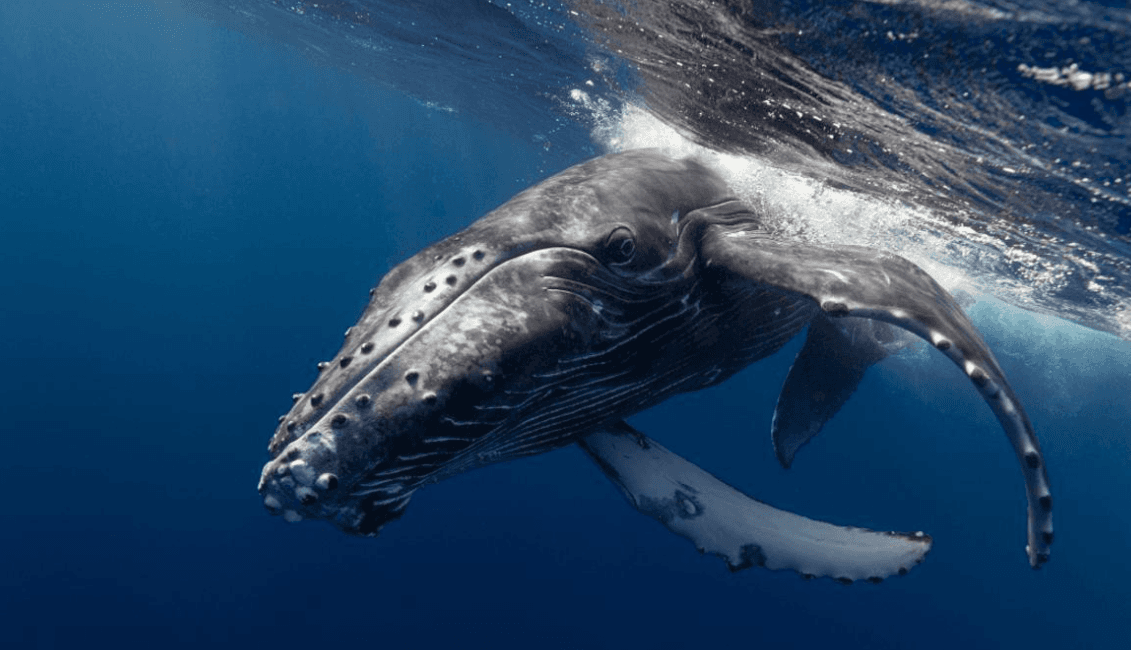
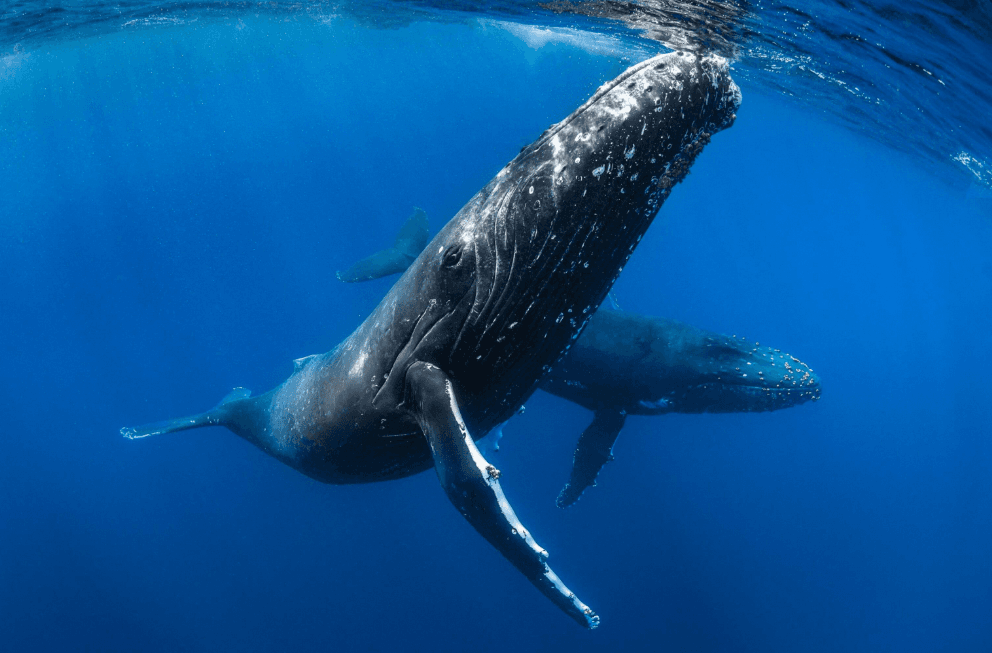
Samaná Bay in the Dominican Republic attracts humpback whales during their seasonal breeding migration. It also welcomes whale-watching vessels that carry visitors hoping to observe these remarkable marine mammals.
Although boats are easy to see above the water, their sound can travel underwater and become part of the acoustic environment experienced by marine animals. Understanding this sound is important because whales rely on acoustic signals for communication and other aspects of their lives.
But how do scientists measure underwater noise from whale-watching boats in Samaná Bay?
Researchers use specialized underwater microphones called hydrophones, calibrated recording equipment, acoustic analysis software, and carefully planned sampling methods. These tools help them measure sound levels, identify patterns associated with vessel activity, and compare boat noise with the sounds naturally present in the ocean.
The following methods describe how underwater noise research can be conducted. Specific sound levels or impacts in Samaná Bay should only be reported when supported by actual local measurements.
1. What Is Underwater Noise?
Underwater noise refers to sound that is unwanted or relevant to a particular investigation. It can originate from natural sources, including waves, rainfall, marine animals, and physical processes within the ocean.
Human activities also contribute sound. Motorized vessels can generate noise from engines, propellers, and water movement around their hulls.
The sound produced by a boat depends on several factors, including engine type, speed, propeller design, vessel size, maintenance, and operating conditions.
Scientists study underwater noise to understand how these different sources contribute to the overall acoustic environment.
It is important to distinguish between sound being measurable and sound necessarily causing harm. Assessing biological effects requires additional information about the sound, the animal's exposure, and the animal's response.
2. Using Hydrophones to Record Boat Noise
A hydrophone is an underwater sensor designed to detect sound pressure changes in water. It serves a role similar to that of a microphone in air, although underwater acoustic equipment must be designed for the properties of water.
Researchers can deploy hydrophones from a research vessel, attach them to suitable monitoring systems, or place them at selected locations for longer recording periods.
When a whale-watching boat passes nearby, the hydrophone records the sound reaching its location.
The recordings can then be examined to determine when vessel noise occurs and how the acoustic environment changes during the encounter.
Hydrophone placement matters. A sensor positioned close to a boat may record a different sound level from one located farther away or at another depth.
Consequently, researchers document the equipment location, depth, recording settings, and relevant deployment conditions.
3. Calibrating Equipment Before Measuring Sound
Reliable sound measurements require properly calibrated equipment.
Calibration helps researchers establish the relationship between the hydrophone's electrical output and the underwater sound pressure reaching the sensor.
Scientists also check the recording system, sensitivity settings, frequency response, and other equipment characteristics that can affect the measurements.
Without suitable calibration, recordings may be useful for identifying relative changes in sound but may not support reliable absolute sound-pressure measurements.
Researchers should document their equipment and measurement procedures so that other scientists can understand how the results were obtained.
This quality-control process is especially important when comparing measurements collected on different days or with different instruments.
4. Measuring Underwater Sound Levels
Researchers commonly measure underwater sound pressure using the decibel scale.
Underwater sound-pressure levels are usually expressed in decibels relative to a reference pressure of 1 micropascal (µPa). This underwater reference differs from the reference used for sound measurements in air, so underwater and airborne decibel values cannot be compared directly without appropriate context.
Scientists may calculate different sound metrics depending on their research question.
For example, they might examine sound-pressure levels averaged over a defined period, peak levels, or sound exposure over a specified duration.
Frequency also matters. A recording can contain different amounts of sound energy at different frequencies, and a single overall number may not describe the complete acoustic environment.
Researchers therefore select measurements that match the purpose of their study and clearly state the units, reference pressure, frequency range, and averaging period.
5. Distinguishing Boat Noise From Natural Ocean Sounds
The ocean is never completely silent. Wind, waves, rainfall, and biological sounds can contribute to the acoustic background.
When a boat passes a hydrophone, its sound may overlap with these natural sources. Researchers need to consider the background environment before attributing a change in the recording to vessel activity.
One approach is to collect measurements during periods with and without nearby vessels under comparable conditions.
Researchers may also compare acoustic recordings with vessel location and operating information, where available.
This helps them investigate whether particular sound patterns coincide with boat movements.
However, separating sources is not always straightforward. Multiple vessels, changing weather, and other sound sources can overlap, so some recordings may remain difficult to interpret.
6. Examining Sound Frequencies With Spectrograms
An underwater recording contains information about how sound changes over time and across frequencies.
Scientists can use acoustic analysis software to create a spectrogram, a visual representation showing the distribution of sound energy across frequencies over time.
A spectrogram may help researchers identify recurring patterns associated with particular vessel operations or other acoustic sources.
For example, changes in engine operation may produce different acoustic patterns, depending on the vessel and recording conditions.
Researchers can also investigate whether biological sounds appear in the same recording, although distinguishing overlapping sources may require additional analysis.
A spectrogram is an analytical tool rather than definitive proof of the source of every sound. Interpretation depends on the quality of the recording, supporting information, and the characteristics of the sound itself.
7. Measuring How Noise Changes With Distance
Sound levels recorded near a vessel may differ from those measured farther away.
Researchers can investigate this relationship by recording sound at multiple distances or by combining acoustic measurements with carefully documented vessel positions.
The resulting data can help estimate how sound levels vary across the study area under the measured conditions.
However, underwater sound does not always decrease in a simple, predictable way with distance. Water depth, seabed characteristics, reflections, temperature-related sound-speed changes, and other factors can influence how sound propagates.
For this reason, scientists should avoid assuming that a fixed distance always corresponds to a particular sound level.
Reliable estimates require suitable measurements or an appropriate acoustic model with clearly stated assumptions.
8. Comparing Different Types of Whale-Watching Vessels
Different vessels can produce different underwater sound patterns.
Researchers may compare boats by recording their characteristics, operating speed, position, and acoustic output under documented conditions.
Potential comparison variables include engine configuration, propeller design, vessel size, and whether the boat is accelerating, cruising, or idling.
The results can help identify which vessel characteristics are associated with particular acoustic patterns.
Nevertheless, researchers must avoid assuming that all boats of the same size or type produce identical noise. Maintenance, loading, sea conditions, and operating practices can influence the results.
A well-designed comparison controls relevant variables wherever possible and reports uncertainty when conditions differ.
9. Studying Noise During Whale-Watching Activity
To understand the acoustic environment during whale-watching, scientists can combine underwater recordings with records of vessel activity.
Useful supporting information may include the number of boats present, their distances from the sensor, their movements, and the duration of each encounter.
Researchers can compare recordings from periods with different levels of vessel activity to investigate how the sound environment changes.
If the research also includes observations of whales, scientists may examine whether recorded sound conditions coincide with changes in whale behavior.
However, demonstrating a biological effect requires more than measuring noise or observing a whale at the same time. Researchers need a suitable study design that considers other explanations and the limits of their observations.
10. Understanding Why Underwater Noise Matters to Humpback Whales
Humpback whales produce sounds that are important to their acoustic communication, particularly during the breeding season.
Human-generated noise may overlap with some of the frequencies whales use or may change the acoustic conditions in which sounds travel.
The extent of any effect depends on the noise's frequency, level, duration, distance from the animal, and the surrounding acoustic environment.
Possible effects of underwater noise are an active subject of marine mammal research. Measuring sound in Samaná Bay could help researchers characterize local conditions, but actual effects on humpback whales cannot be established from sound measurements alone.
Scientists need appropriate biological evidence to evaluate questions about communication, behavior, and potential disturbance.
11. How Acoustic Monitoring Can Support Conservation
Underwater sound measurements can help researchers establish a baseline of the acoustic environment and identify periods or locations with greater vessel-related noise.
If repeated measurements reveal consistent patterns, those findings may help inform future monitoring and responsible vessel-management practices.
Potential measures might include following applicable vessel rules, maintaining required distances from whales, avoiding unnecessary engine activity, and considering quieter operating practices where appropriate.
Decisions should be based on local regulations, relevant scientific evidence, and the practical conditions of whale-watching operations.
Importantly, collecting acoustic data does not automatically mean that a location is excessively noisy or that whales are being harmed. The purpose of monitoring is to establish evidence that can support informed decisions.
Frequently Asked Questions
How do scientists record underwater boat noise?
They use hydrophones connected to recording systems that capture underwater sound. Calibrated equipment and documented measurement procedures allow researchers to analyze sound levels and frequency patterns.
What unit is used to measure underwater sound?
Underwater sound-pressure levels are commonly expressed in decibels relative to 1 micropascal (µPa). The reference pressure and measurement method should always be stated when reporting results.
Can scientists distinguish boat noise from whale sounds?
They can often investigate different sources using spectrograms, recording context, vessel information, and known acoustic patterns. However, overlapping sounds can make some recordings difficult to classify confidently.
Does a louder boat always create a greater impact on whales?
Not necessarily. Potential biological effects depend on factors such as frequency, duration, distance, exposure, and the whale's circumstances. Sound measurements alone do not establish the severity of an impact.
Has underwater boat noise been measured at specific levels in Samaná Bay?
Specific local levels should only be stated when supported by documented measurements from an appropriate study. General acoustic methods should not be presented as proof of particular findings in Samaná Bay.
Conclusion
Scientists measure underwater noise from whale-watching boats in Samaná Bay using hydrophones, calibrated recording systems, sound-level analysis, spectrograms, and information about vessel movements.
These methods help researchers distinguish vessel-related sound from the wider ocean soundscape and investigate how underwater noise varies with distance, vessel activity, and environmental conditions.
When combined with suitable biological observations, acoustic monitoring can contribute to a better understanding of the environment experienced by humpback whales and support evidence-based, responsible whale-watching practices.

Local explorer & expert guide in Glamping Los Haitises.