How Do Scientists Determine Whether Humpback Whales Change Their Behavior When Boats Approach in Samaná Bay?
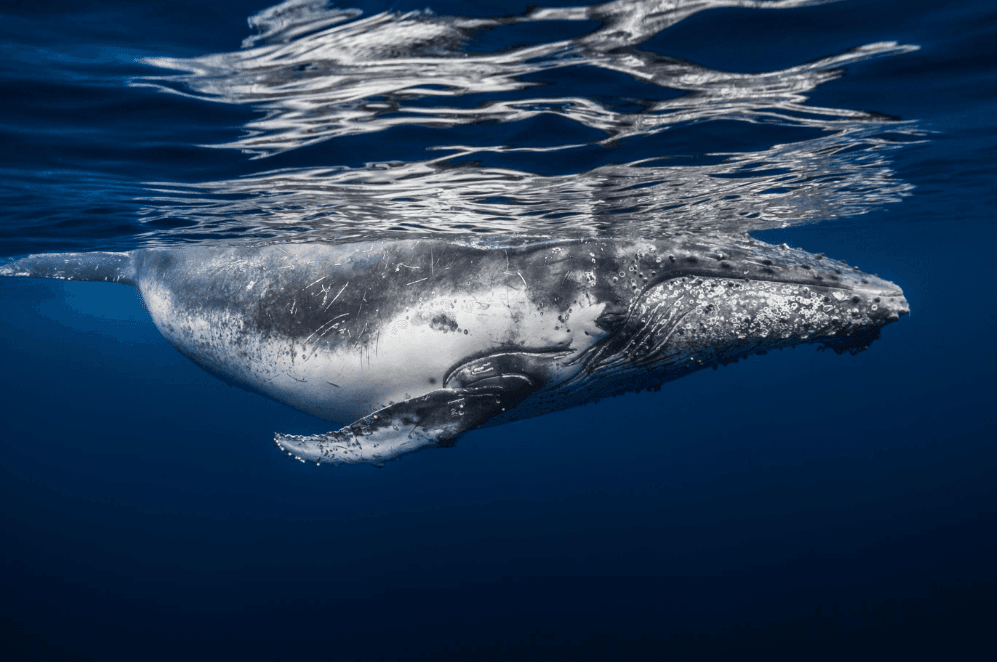
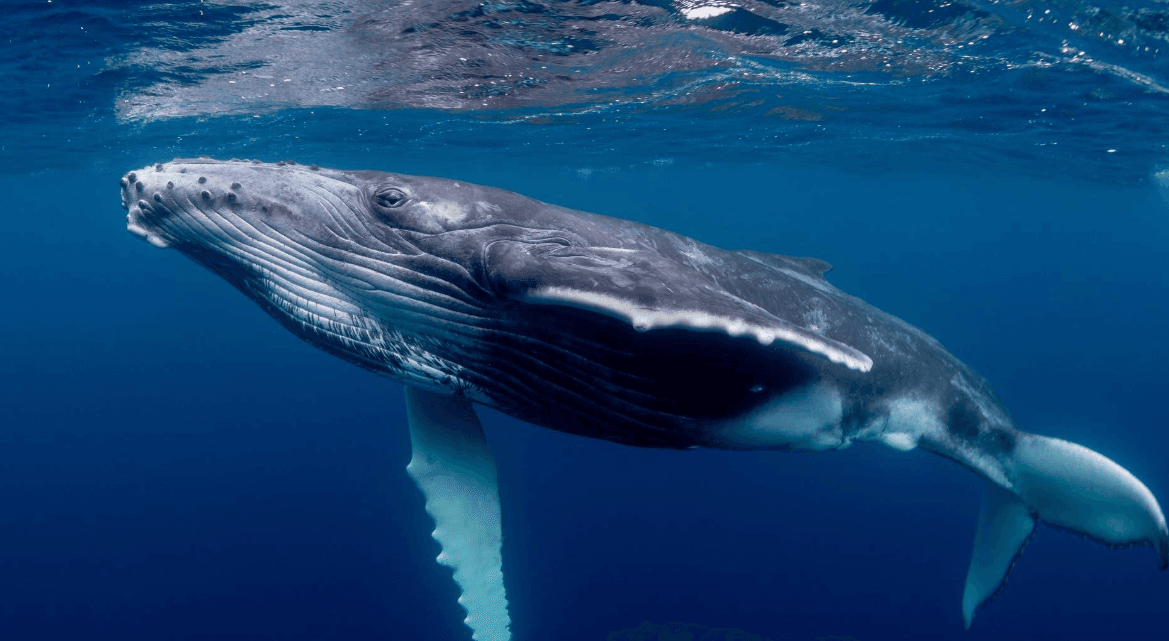
Samaná Bay in the Dominican Republic is a popular seasonal destination for humpback whales and a well-known location for whale-watching excursions. During the breeding season, research teams and tour operators may encounter whales swimming, surfacing, diving, and interacting with other whales.
These encounters raise an important question: do humpback whales change their behavior when boats approach?
Scientists investigate this question by recording whale behavior before, during, and after vessel encounters. They also measure the distance between boats and whales, document vessel movements, and compare observations under different conditions.
The goal is to understand whether changes in whale behavior are associated with nearby vessels and whether those changes differ depending on the circumstances. Observations alone cannot establish that boats caused every behavioral change, so researchers must consider other possible explanations.
Why Study Whale Responses to Boats?
Whale-watching can provide educational and economic benefits to coastal communities, but vessel activity can also introduce noise, movement, and close approaches into the marine environment.
A whale may alter its direction, change its diving pattern, or temporarily increase its swimming speed when a boat approaches. Alternatively, it may continue its previous activity without an obvious change.
Understanding these responses helps researchers assess how whales and vessels interact.
The effects may depend on several factors, including the distance between the boat and the whale, the vessel's speed and direction, the number of nearby boats, the whale's activity, and whether a mother is traveling with a calf.
Studying these variables can help improve whale-watching practices while providing a clearer picture of whale behavior.
1. Recording Whale Behavior Before a Boat Approaches
To investigate possible responses, scientists first need information about what a whale was doing before a vessel came close.
Observers may record swimming direction, surface activity, breathing intervals, diving behavior, and interactions with nearby whales.
These observations establish a baseline for comparison.
For example, if a whale is already swimming rapidly before a boat approaches, researchers should not automatically attribute that speed to the vessel. The whale might be traveling toward another area or responding to an interaction with another whale.
A reliable baseline helps scientists distinguish behavior that was already occurring from changes observed during a vessel encounter.
2. Measuring the Distance Between Boats and Whales
Distance is an important variable in studies of vessel interactions.
Researchers may estimate the separation between a boat and a whale using GPS positions, range-measuring equipment, or other suitable observation methods.
They can then compare behavioral records from encounters at different distances, provided the research design allows a meaningful comparison.
Accurate distance measurements are important because an observer's visual estimate can be affected by waves, viewing angles, and the movement of both the whale and the vessel.
Researchers should also avoid approaching whales solely to test their responses. Ethical studies can use naturally occurring encounters, established observation protocols, and non-invasive methods.
3. Observing Changes in Swimming Direction
One possible response to a nearby vessel is a change in swimming direction.
Scientists can record a whale's direction before a boat approaches and compare it with the direction observed during the encounter.
They may investigate whether the whale continues along the same course, turns away, changes its route, or moves in another direction.
However, a turn does not necessarily mean the whale is avoiding the boat. Humpback whales naturally change direction while traveling, interacting with other whales, or moving through their environment.
Researchers therefore need repeated observations and information about the surrounding circumstances before interpreting directional changes as possible vessel responses.
4. Measuring Changes in Swimming Speed
Scientists may also investigate whether whales change their swimming speed during vessel encounters.
Depending on the study method, researchers can estimate movement using repeated position measurements and the time elapsed between observations.
They may compare speed before, during, and after a boat approaches.
A consistent increase in speed during particular types of encounters could be a reason to investigate a possible response. Likewise, slower movement or a temporary pause may warrant further observation.
These patterns must be interpreted cautiously because whale speed naturally varies with activity, social interactions, and environmental conditions.
Researchers should distinguish measured changes from assumptions about the whale's emotional state or intention.
5. Monitoring Diving and Surfacing Patterns
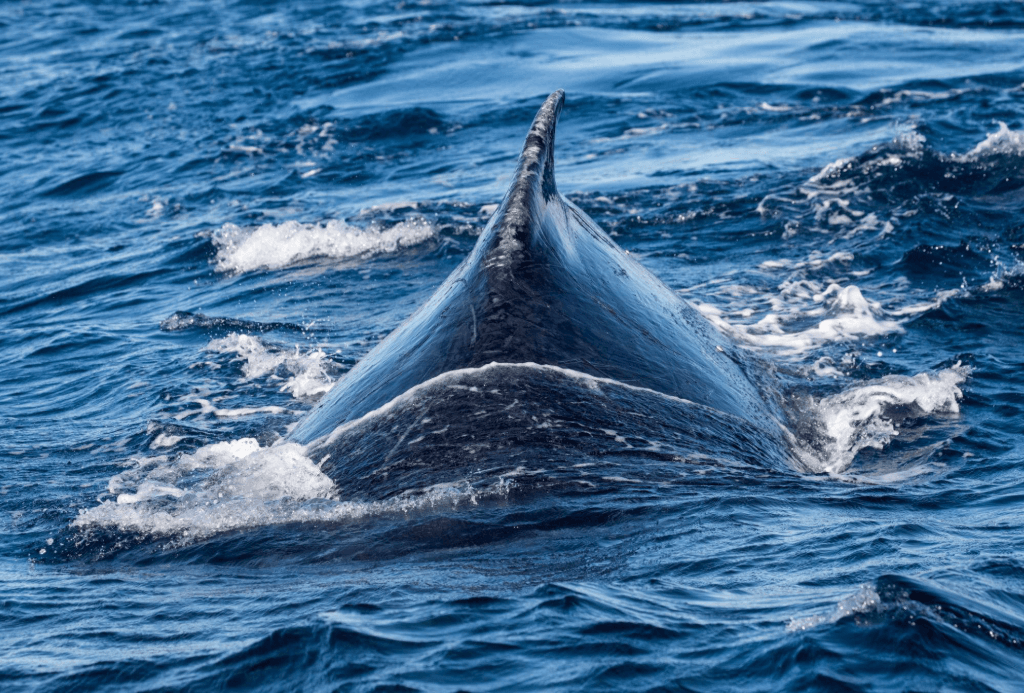
Humpback whales regularly dive and return to the surface to breathe. Scientists can record the timing of these events to investigate whether diving patterns differ during vessel encounters.
For example, researchers might compare the interval between surfacings before and during an encounter, or record whether a whale dives shortly after a vessel changes position.
They can also document the duration of observable dives when reliable timing is available.
However, a single dive cannot establish that a whale is reacting to a boat. Dive patterns can change naturally as whales travel, rest, or interact with other animals.
Repeated observations and suitable comparison periods are needed to identify meaningful differences.
6. Recording Changes in Surface Activity
Some humpback whale behaviors are especially visible at the surface.
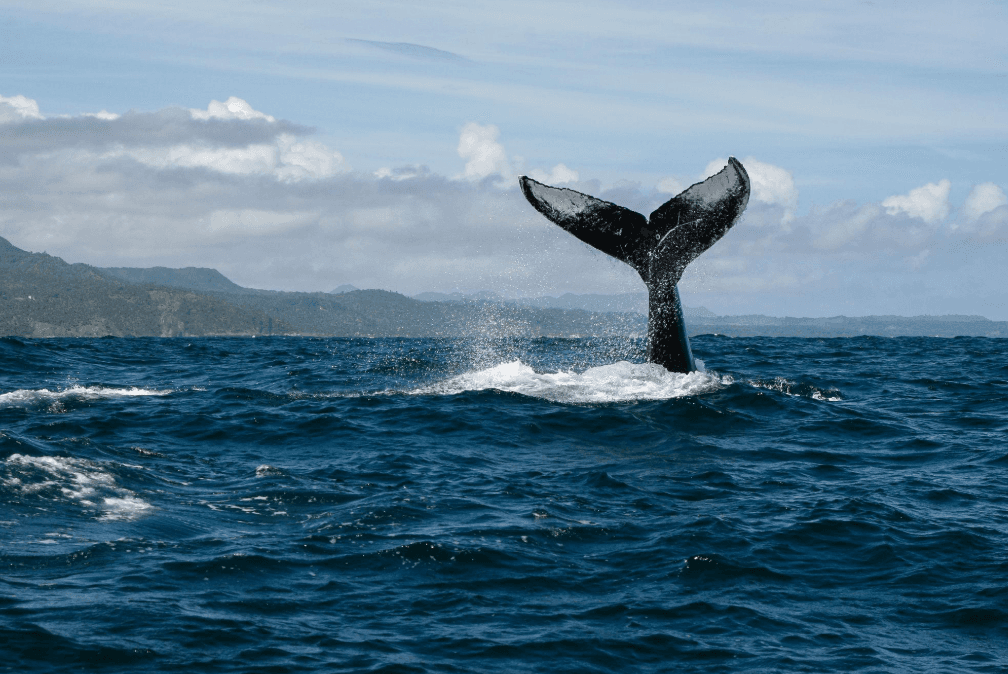
Researchers may record breaching, tail slapping, pectoral fin movements, repeated surfacing, and other observable actions.
If surface activity changes during a vessel encounter, scientists can compare the observations with behavior recorded before the encounter and under other conditions.
It is important not to interpret every conspicuous movement as a reaction to a boat. Surface behaviors can serve different functions and may occur without any vessel nearby.
A careful study records what happened, when it happened, and the surrounding conditions before drawing conclusions.
7. Comparing Encounters With Different Numbers of Boats
The presence of multiple vessels may create a different situation from an encounter involving a single boat.
Researchers can document the number of boats in the vicinity, their relative positions, movement patterns, and the duration of the encounter.
They may then compare whale behavior across encounters involving different levels of vessel activity.
Such comparisons can help investigate whether particular patterns are associated with greater vessel presence.
However, boat numbers alone do not establish the level of disturbance. Vessel distance, speed, noise, approach direction, and the whale's circumstances may also matter.
Studies must account for these factors before attributing an observed response to a specific aspect of vessel activity.
8. Studying Responses of Mothers and Calves
Mother-calf pairs deserve particular attention because young calves are developing their swimming and diving abilities while remaining close to their mothers.
Researchers can record the relative positions of mothers and calves, their swimming direction, surfacing patterns, and any visible changes during vessel encounters.
They may investigate whether these observations differ from encounters involving other whales.
Because mother-calf pairs may behave differently from other groups for reasons unrelated to boats, comparisons need to account for the type of encounter and the whales' behavior before the vessel arrived.
Research should use non-invasive observation and follow applicable whale-watching rules and conservation guidance.
9. Separating Vessel Effects From Other Influences
One of the most important challenges is determining whether a behavioral change is actually associated with a boat.
Several other factors can affect whale movement and activity, including:
- Natural changes in behavior.
- Interactions with other whales.
- Weather and sea conditions.
- The whale's activity before the encounter.
- The presence of calves or other social partners.
- Differences in the number and location of observing vessels.
Scientists may address these factors by comparing similar encounters, recording relevant environmental information, and analyzing repeated observations.
Where practical and ethically appropriate, they may use statistical models to account for differences between encounters.
Even when a behavioral change follows a boat's approach, researchers should avoid claiming causation unless the evidence supports that interpretation.
10. Using Findings to Improve Responsible Whale Watching
Research into vessel interactions can contribute to practical guidance for whale-watching operators and visitors.
Depending on local regulations and the available evidence, useful measures may include maintaining required separation distances, limiting the number of vessels around a whale, avoiding sudden changes in speed or direction, and giving whales sufficient space to move naturally.
Operators should follow applicable Dominican Republic rules and any designated whale-watching protocols rather than relying on an informal distance or speed recommendation.
Visitors can also help by choosing responsible operators, following crew instructions, avoiding attempts to touch or feed wildlife, and never pressuring a boat captain to move closer.
These practices support safer, more respectful encounters while allowing researchers to continue studying whales in their natural environment.
Frequently Asked Questions
Do humpback whales change their behavior when boats approach?
They may show changes in movement or activity during some vessel encounters, but responses can vary. Systematic research is needed to determine whether a particular change is associated with vessel presence.
How do scientists know whether a boat caused a whale to change direction?
Researchers compare behavior before, during, and after encounters and consider alternative explanations. A directional change by itself does not prove that the boat caused it.
Can boats affect whale diving patterns?
Vessel encounters may be associated with changes in observed diving or surfacing behavior, but scientists need repeated observations and appropriate comparisons to assess the relationship reliably.
Are mother-calf pairs included in vessel-response studies?
Yes, they can be studied as a distinct group when the research design and observations allow it. Researchers must account for natural differences in mother-calf behavior.
How can whale watchers reduce potential disturbance?
They should use responsible operators, follow local regulations, maintain required distances, avoid sudden approaches, and respect instructions designed to protect whales.
Conclusion
Scientists investigate humpback whale responses to boats in Samaná Bay by documenting behavior before, during, and after vessel encounters. They examine swimming direction, speed, diving patterns, surface activity, vessel distance, and the number of nearby boats.
Careful research is essential because whales naturally change their behavior, and not every movement near a vessel represents a response to human activity.
By combining systematic observations with appropriate comparisons, scientists can better understand whale-vessel interactions and help inform responsible whale-watching practices in Samaná Bay.

Local explorer & expert guide in Glamping Los Haitises.