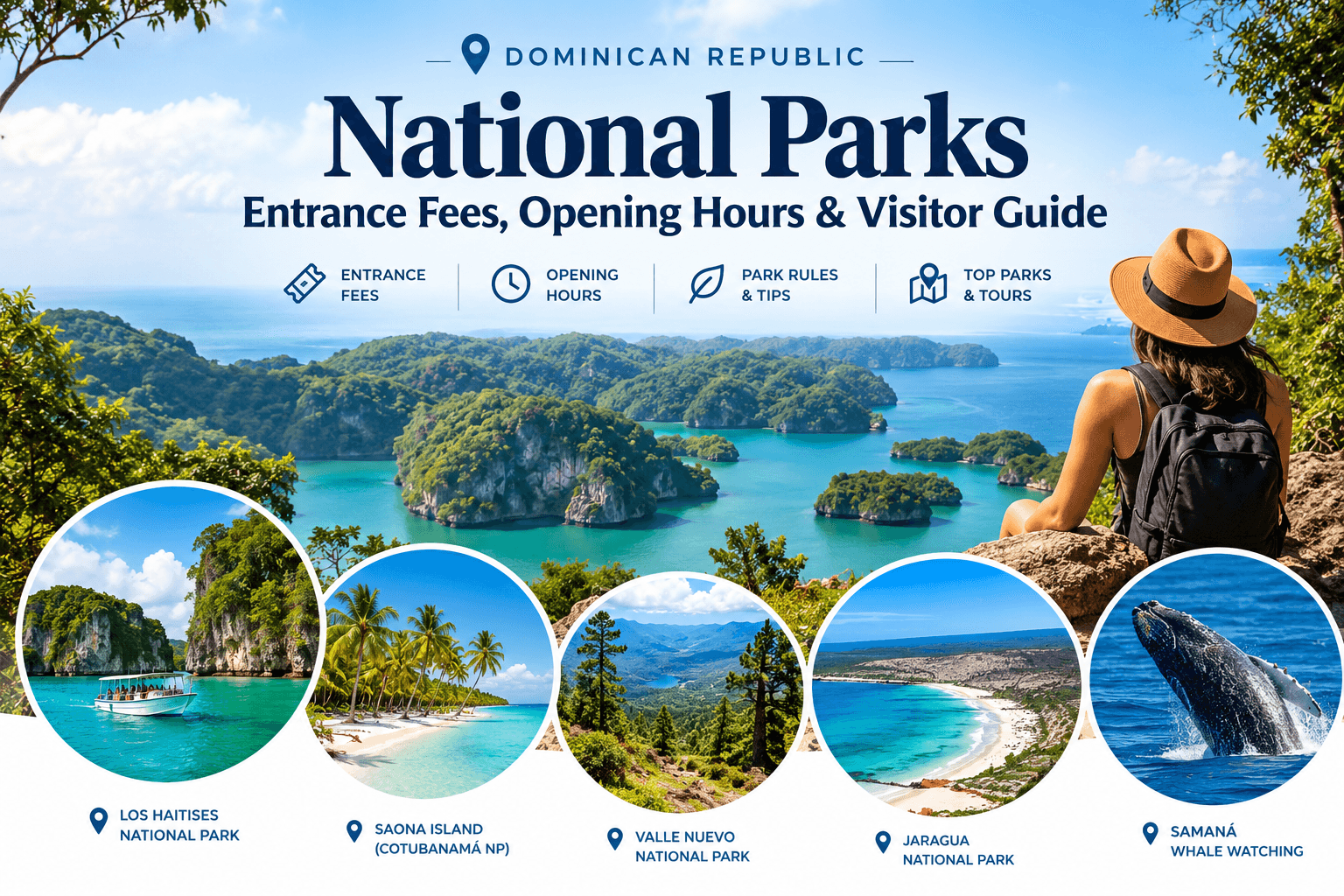
Dominican Republic National Parks: Entrance Fees, Opening Hours and Visitor Guide
Planning to visit the national parks of the Dominican Republic From the limestone islands and mangrove forests of Los Haitises to the Caribbean beaches of Cotubanamá, the high mountain landscapes of Valle Nuevo, and the remote wilderness of Jaragua, the Dominican Republic offers remarkable opportunities to explore nature.
Before visiting, it is important to understand entrance fees, opening hours, access requirements, transportation options, guided excursions, and conservation rules. Not every protected area operates like a conventional tourist attraction, and some locations require advance authorization or a licensed local guide.
This complete guide explains how to plan a visit to the Dominican Republic's national parks, what to know about entrance fees, which natural areas are worth visiting, and how to choose the right excursion for your itinerary.
Last reviewed: October 2026. Entrance fees, operating schedules, access restrictions, and tour prices can change. Always confirm the latest requirements with the Dominican Republic Ministry of Environment or the relevant park administration before traveling.
Dominican Republic National Parks: What Visitors Need to Know
The Dominican Republic has an extensive network of protected natural areas covering forests, mountains, wetlands, caves, coral reefs, islands, and important wildlife habitats.
According to the Ministry of Environment and Natural Resources, the country's National System of Protected Areas included 131 conservation units in the figures published for August 2023. These areas cover different management categories and are not all national parks or open to visitors under the same conditions.
Official information: https://ambiente.gob.do/informacion-ambiental/areas-protegidas/
The main things to understand before planning your visit are:
- Entrance fees vary: There is no single entrance price that should automatically be assumed to apply to every national park.
- Opening hours are site-specific: Some visitor facilities operate on a daily schedule, while remote natural areas may have access arrangements that depend on local management, weather, or the activity.
- A boat tour is not the same as a park entrance ticket: The price of an excursion may include transportation, a guide, meals, equipment, or access fees, depending on the operator.
- Advance authorization may be necessary: Certain protected areas, overnight stays, research activities, and organized visits have additional requirements.
- Conservation rules matter: Visitors should remain on authorized trails, avoid disturbing wildlife, and follow instructions from park staff and guides.
If you are planning several nature excursions during your vacation, start by identifying the parks closest to your hotel or destination. This can help reduce transportation time and make it easier to enjoy each area.
1. Los Haitises National Park: Mangroves, Caves and Limestone Islands
Los Haitises National Park is one of the Dominican Republic's most distinctive natural destinations. Located in the northeastern part of the country, it is known for its dramatic limestone formations, mangrove forests, coastal ecosystems, caves, and rich birdlife.
The landscape includes small islands and rocky outcrops rising from the water, with narrow channels winding through mangroves. Some caves contain pre-Columbian rock art associated with the island's Indigenous history.
Entrance fees and opening hours
There is no universal, independently verified entrance price or opening schedule that can safely be applied to every Los Haitises visitor experience. The total cost depends on the departure point, type of excursion, boat arrangements, guide services, and what is included in the booking.
Visitors should confirm the applicable park access requirements and the operating schedule for their chosen route before departure.
The Ministry of Environment publishes information about protected areas and visitor authorization:
https://ambiente.gob.do/permiso-de-entrada-a-las-areas-protegidas/
How to visit Los Haitises
The most common way to explore Los Haitises is by boat, often with a local guide. Depending on the authorized itinerary, visitors may explore mangrove channels, observe limestone formations, visit accessible caves, and learn about the area's natural and cultural heritage.
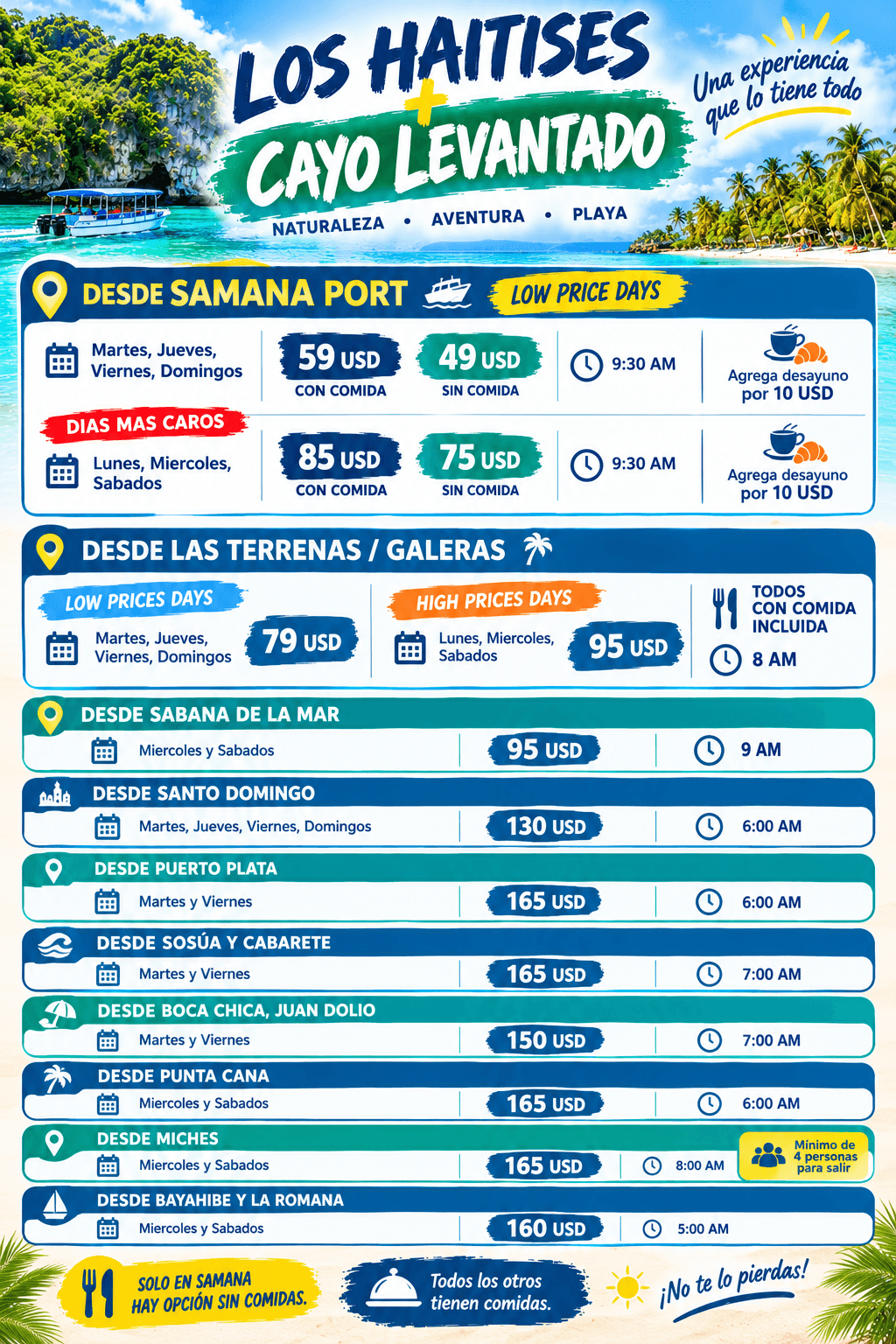
Popular departure areas and travel plans include Sabana de la Mar, Samaná, and excursions arranged from other Dominican Republic destinations. The most suitable route depends on where you are staying.
For travelers who want to explore the park with transportation and organized activities, compare the available options here:
- Los Haitises National Park tours and visitor experiences: https://gobookingadventures.com/en/places/dominican-republic/los-haitises-national-park/los-haitises-boat-trip
- Los Haitises tours, excursions, prices and booking guide: https://gobookingadventures.com/en/blog/los-haitises-tours-excursions-prices-booking
- Los Haitises and Cayo Levantado excursion from Samaná: https://gobookingadventures.com/en/tour/saman-los-haitises-national-park-cayo-levantado-island
Best things to do in Los Haitises
Depending on the route and local permissions, activities may include:
- Boat trips through mangrove channels.
- Visits to accessible caves with Indigenous rock art.
- Birdwatching and nature interpretation.
- Guided walks in permitted areas.
- Kayaking on authorized routes.
- Photography of limestone islands and coastal scenery.
Allow sufficient time for transfers if you are traveling from Punta Cana, Santo Domingo, or another distant resort area. An excursion that includes a long road journey can take much of the day.
2. Cotubanamá National Park: Saona Island, Catalina Island and Coastal Nature
Cotubanamá National Park, historically known as Parque Nacional del Este, is one of the best-known protected areas in southeastern Dominican Republic.
The protected landscape includes coastal habitats, caves, islands, marine ecosystems, and important areas for wildlife. Saona Island is among its most recognizable destinations, attracting visitors with its white-sand beaches, turquoise water, and tropical scenery.
Entrance fees and opening hours
Do not assume that the price advertised for a Saona Island excursion is the same as the park's official entrance fee. A commercial tour may combine ground transportation, boat transfers, a natural swimming-pool stop, lunch, drinks, snorkeling, and other services.
The final price and itinerary depend on the operator and the selected package. Access to individual sites and activities can also be subject to local conservation and safety requirements.
For official park information, consult the Dominican Republic Ministry of Environment and the country's official tourism portal.
How to visit Saona Island
Many visitors reach Saona Island by boat from Bayahibe. Travelers staying in Punta Cana can book excursions that include transportation to the departure area, while visitors staying in Bayahibe or La Romana may have options that involve a shorter road transfer.
Before booking, check the departure location, total duration, return transportation, meals, and whether snorkeling equipment or other activities are included.
Explore Saona Island tours and trip-planning options:
https://gobookingadventures.com/en/places/dominican-republic/saona-island
Read the destination guide:
https://gobookingadventures.com/en/blog/saona-island-dominican-republic-tours-tips-and-prices-2026
Responsible visiting tips
- Do not touch, collect, or remove coral, shells, plants, or wildlife.
- Follow instructions at beaches and designated swimming areas.
- Use reef-conscious sun protection where appropriate.
- Avoid feeding wild animals.
- Take all rubbish back with you and use designated waste facilities.
If you are especially interested in snorkeling or diving, confirm that the selected operator visits an authorized site and provides appropriate safety instructions.
3. Jaragua National Park: Remote Beaches and Wildlife in the Southwest
Jaragua National Park, located in the southwestern Dominican Republic near Pedernales, protects a large landscape of coastal habitats, dry forest, wetlands, islands, and marine environments.
It is an excellent destination for travelers interested in less-developed landscapes and the natural beauty of the country's southwestern region.
The park is associated with the Jaragua-Bahoruco-Enriquillo Biosphere Reserve, a landscape recognized for its ecological importance and diverse habitats.
Entrance fees and opening hours
Do not rely on a generic national park entrance fee or a standard opening time when planning a visit to Jaragua. Access conditions can vary by location, road, conservation requirements, and the activity you want to undertake.
Confirm current access information before traveling, particularly if you intend to visit remote coastal areas or combine several destinations in one day.
What to see
Depending on access arrangements and your itinerary, the broader region offers opportunities to discover:
- Bahía de las Águilas and its striking coastal scenery.
- Dry-forest and coastal ecosystems.
- Wetlands and bird habitats.
- Indigenous cultural heritage in the wider region.
- Nearby communities and landscapes around Pedernales.
Bahía de las Águilas is famous for its long stretch of beautiful coastline. However, do not assume that every beach, trail, or remote section of the park has the same visitor facilities or access rules.
Planning a visit to southwestern Dominican Republic
Distances in the southwest can be considerable. Travelers should plan fuel, water, meals, transport, and return times in advance. Check road conditions and local advice before visiting remote areas, and avoid entering restricted or environmentally sensitive locations without authorization.
Jaragua is particularly suitable for visitors who want to explore beyond the traditional Punta Cana resort corridor.
4. Valle Nuevo National Park: Mountain Forests and Cooler Weather
Valle Nuevo, also known as the Juan Bautista Pérez Rancier National Park, is a protected mountain landscape in the Dominican Republic's central highlands.
Unlike the country's coastal parks, Valle Nuevo is associated with cooler temperatures, pine forests, montane vegetation, and high-altitude scenery. It is a popular option for nature lovers, road-trip travelers, photographers, and people interested in mountain landscapes.
Current entrance fee
In an announcement published on April 29, 2026, the Ministry of Environment stated that the general entrance fee for Valle Nuevo was RD$150 per person.
This is a published general entrance rate, not a guarantee that all activities or services are included. Camping services and other separately managed facilities may have additional charges.
Official announcement:
https://ambiente.gob.do/valle-nuevo-no-privatizado-acceso-publico/
Confirm the applicable fee before traveling, as rates and operating arrangements may change.
Opening hours and access
Do not assume that all routes and facilities within Valle Nuevo have identical operating hours. Weather, road conditions, management instructions, and access arrangements can affect a planned visit.
Before departure, verify the current access arrangements and whether the route you intend to follow is suitable for your vehicle.
What to bring
- Warm clothing, particularly for early mornings and evenings.
- Closed shoes suitable for walking.
- Drinking water and food appropriate for your planned visit.
- Rain protection and clothing suitable for changing weather.
- A fully charged phone and offline navigation where necessary.
Stay on authorized routes, respect camping rules, and avoid lighting fires except where expressly permitted.
5. Sierra de Bahoruco National Park: Biodiversity and Mountain Landscapes
Sierra de Bahoruco National Park is another important protected area in the southwestern Dominican Republic. Its mountain ecosystems support a wide range of habitats and are particularly interesting for birdwatching and biodiversity-focused travel.
The park is part of the wider Jaragua-Bahoruco-Enriquillo Biosphere Reserve.
Entrance fees and opening hours
A single entrance fee or opening schedule should not be assumed to apply to all access points in Sierra de Bahoruco. Visitors should confirm current access conditions with the responsible authorities or an experienced local guide.
Some routes may require careful planning because of elevation, road conditions, remoteness, or conservation restrictions.
Why visit?
Depending on the route and authorized access, the surrounding region offers opportunities for:
- Birdwatching and observing local biodiversity.
- Discovering different forest types and mountain habitats.
- Photography and nature interpretation.
- Exploring the broader landscapes of southwestern Dominican Republic.
Travelers should avoid disturbing wildlife, playing loud music in natural habitats, or leaving marked and authorized routes.
6. Armando Bermúdez National Park: Hiking and the Dominican Mountains
Armando Bermúdez National Park protects part of the Cordillera Central and is one of the country's best-known destinations for mountain hiking.
It is associated with demanding hiking routes and access to Pico Duarte, the highest mountain in the Caribbean. A trip to this area requires a different level of preparation from a typical beach or boat excursion.
Entrance fees and opening hours
Entrance charges, guide arrangements, route access, and overnight requirements should be confirmed before your visit. Do not assume that a general park ticket automatically covers a multi-day hike, a guide, camping, or transport.
For longer treks, contact the relevant park administration or an authorized operator to establish current requirements.
Planning a hike
Depending on the route, you may need:
- Appropriate hiking boots and layered clothing.
- A sufficient supply of water and suitable food.
- A guide and any required permits or reservations.
- Equipment for overnight stays where applicable.
- A realistic itinerary based on fitness, weather, and daylight.
Mountain weather can change rapidly. Do not begin a demanding hike without checking current conditions and understanding the difficulty and duration of your chosen route.
7. José del Carmen Ramírez National Park: Remote Mountain Nature
José del Carmen Ramírez National Park is another major protected area in the Cordillera Central. Its mountain environments and watersheds make it important for conservation and nature-based travel.
The park is a potential destination for visitors interested in hiking, mountain scenery, and exploring less-urbanized parts of the Dominican Republic.
Entrance fees and visitor requirements
Current fees, access points, guide requirements, and camping arrangements should be confirmed directly before travel. The facilities and procedures available at one entrance may differ from those at another.
Plan your route carefully and use local guidance for remote areas.
Responsible hiking
Pack out all rubbish, stay on permitted routes, protect water sources, and follow instructions from guides and park personnel. Avoid disturbing wildlife and never assume that a remote trail is safe simply because it appears on a map.
8. Lago Enriquillo and Isla Cabritos: Wetlands and Wildlife
Lago Enriquillo is a large saline lake in the southwestern Dominican Republic, within a distinctive dry landscape. The wider protected area is important for wetland ecology and wildlife.
Isla Cabritos, located within the lake, is associated with the protected area's natural heritage and wildlife viewing.
Entrance fees and opening hours
Access to the lake, boat excursions, visitor facilities, and Isla Cabritos may follow different arrangements. Availability can depend on water conditions, weather, local management, and authorized transport.
Confirm whether the particular excursion you want is operating and whether access to the island is available on your intended date.
What to know before visiting
The region can be very hot, particularly during the middle of the day. Carry drinking water, sun protection, and suitable clothing. Respect wildlife-viewing distances and follow all instructions from authorized guides.
Because this is a remote destination, arrange transportation and return plans before setting out.
9. Monte Cristi National Park: Coastal Landscapes and Mangroves
Monte Cristi National Park, in the northwestern Dominican Republic, is known for its coastal landscapes, mangroves, islands, and marine habitats.
It is an attractive destination for travelers who want to explore a different part of the country beyond the main resort areas.
Entrance fees and opening hours
There is no reason to assume that the same fee, opening hours, or access conditions apply to every site within the park. Boat trips, beach visits, protected coastal areas, and other activities may have separate requirements.
Confirm the details with the relevant authorities or a local operator before departure.
Things to do
Depending on authorized access and local conditions, visitors may be able to explore coastal scenery, observe birds, visit mangroves, and discover nearby natural landmarks.
Bring sun protection and sufficient water, and avoid leaving rubbish on beaches or in mangrove habitats.
10. El Limón Waterfall: A Nature Excursion in Samaná
Although El Limón Waterfall is not a national park in itself, it is one of the Dominican Republic's best-known nature excursions and can be included in a broader trip through the Samaná Peninsula.
The waterfall is reached by a trail, with horseback riding available through some local operators. Trail conditions, water levels, and the visitor experience can vary depending on the season and weather.
Entrance fees and opening hours
The total cost may depend on the access point, local arrangements, guide services, horseback riding, and other inclusions. Verify the current conditions before booking.
How to plan your visit
Wear footwear suitable for a natural trail, bring water, and allow sufficient time for the walk and return journey. If you choose horseback riding, ask about the route, animal welfare, safety equipment, and what the price includes.
Explore the excursion options:
https://gobookingadventures.com/en
How Much Does It Cost to Visit National Parks in the Dominican Republic?
The total cost of visiting a national park depends on several factors. The official entrance fee, where applicable, is only one part of the overall budget.
You may also need to account for:
- Transportation from your hotel or town.
- Boat transfers or local transport.
- Guide services.
- Camping or overnight arrangements.
- Meals, drinking water, and snacks.
- Equipment rental.
- Activities such as kayaking, horseback riding, snorkeling, or hiking.
- Any additional services or permits required for your chosen itinerary.
Official entrance fees versus tour prices
An official park entrance charge is not necessarily the same as the price of a guided excursion. For example, a boat tour of Los Haitises may include transport by water, a guide, visits to authorized sites, and other services. A Saona Island excursion may include road transfers, a boat, meals, and beach time.
Always check the inclusions and exclusions before comparing prices.
How to confirm current fees
For official information about protected-area access, consult the Dominican Republic Ministry of Environment:
https://ambiente.gob.do/permiso-de-entrada-a-las-areas-protegidas/
The ministry's published service information explains that entry arrangements may involve an admission band or ticket, depending on the protected area. Some visits and overnight stays have additional procedures.
Because individual parks may have different arrangements, confirm the fee for your specific destination rather than relying on an old price list or an unofficial online article.
How to Check National Park Opening Hours
The Dominican Republic does not have one universal opening schedule that applies to every national park and protected area.
Before traveling, follow these steps:
- Identify the exact park, entrance, visitor facility, or excursion route you intend to visit.
- Check the latest information from the Ministry of Environment or the responsible local administration.
- Ask whether advance authorization or a reservation is necessary.
- Confirm the last permitted entry time and the expected return time if you are joining a guided excursion.
- Check weather, road, sea, and trail conditions where relevant.
- Confirm whether the excursion is operating on your selected date.
If your visit depends on a boat departure, do not plan around a generic park opening time. Boat schedules and meeting times may be determined by the tour operator and local conditions.
Do You Need a Guide to Visit Dominican Republic National Parks?
The answer depends on the destination and activity.
Some protected areas have visitor facilities or access points where independent visits may be possible. Other locations, remote trails, cave visits, boat excursions, and overnight routes may require specific arrangements or benefit substantially from local guidance.
A qualified local guide can help visitors understand the landscape, follow the authorized route, identify wildlife, learn about cultural history, and avoid unnecessary environmental impacts.
Before booking, ask:
- Is a guide included in the price?
- Is the route authorized for public access?
- Are there any additional entrance or permit charges?
- What equipment should visitors bring?
- What happens if weather or sea conditions change?
- Does the excursion include transportation to and from the hotel?
These questions are especially important when visiting Los Haitises, planning remote hikes, or arranging a trip to a protected island.
Best Time to Visit Dominican Republic National Parks
The best time depends on the landscape and activities you want to experience.
For Los Haitises and Samaná
Los Haitises is attractive for boat trips, mangrove exploration, and birdwatching throughout the year, subject to weather and operating conditions. Sea conditions and rainfall can affect the comfort and timing of boat excursions.
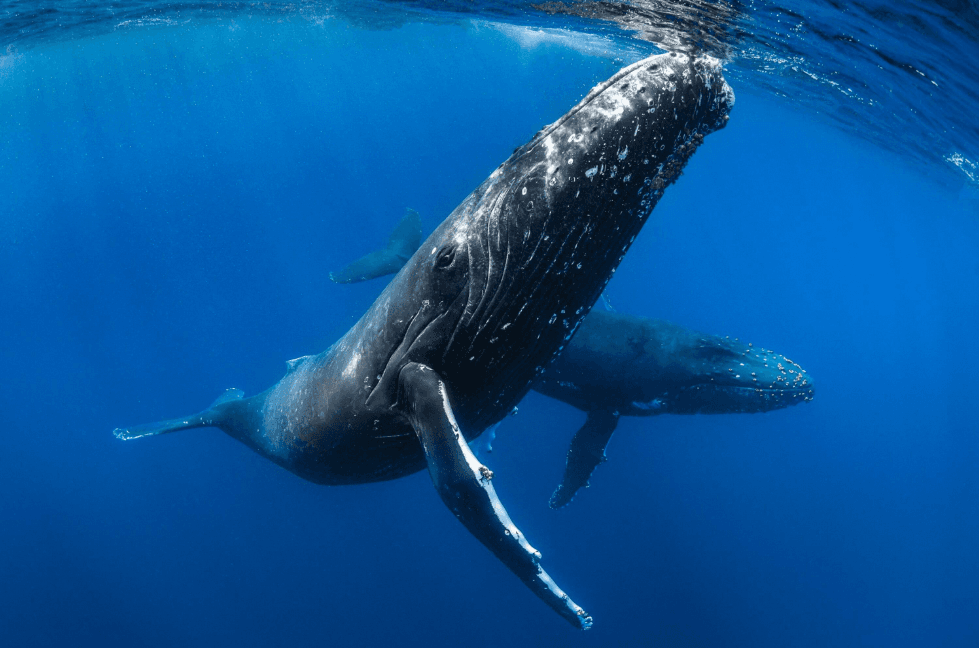
Samaná is also known for seasonal humpback whale watching, generally associated with the January-to-March period. Whale watching is a separate seasonal activity, so check the current season dates and tour availability if you want to combine it with your trip.
More information:
https://gobookingadventures.com/en/places/dominican-republic/samana-whale-watching-sanctuary
For mountain parks
Mountain destinations such as Valle Nuevo, Armando Bermúdez, and José del Carmen Ramírez require preparation for cooler temperatures, rain, and changing trail conditions. The best itinerary depends on the route and the weather forecast rather than a single nationwide travel season.
For coastal parks
Coastal and marine destinations are affected by wind, waves, rainfall, and local marine conditions. Boat trips can be delayed or changed for safety reasons, so leave flexibility in your itinerary.
What to Pack for a National Park Visit
A little preparation can make a major difference when exploring the Dominican Republic's natural areas.
For most day trips, consider bringing:
- Drinking water.
- Sun protection, including a hat.
- Comfortable walking shoes.
- Lightweight clothing.
- Insect repellent appropriate for the destination.
- A waterproof bag for electronics.
- Cash for expenses where card payments are not available.
- Any personal medication you may need.
- A reusable bag for carrying out rubbish.
For mountain hikes, bring appropriate footwear, extra layers, and equipment suited to the route. For boat trips, follow the operator's guidance on life jackets, footwear, bags, and weather conditions.
Avoid bringing unnecessary single-use plastic, and never leave waste behind.
Responsible Tourism Rules for Dominican Republic National Parks
Protected areas conserve habitats and wildlife that can be damaged by careless tourism. Every visitor can help preserve these places by following a few simple principles.
Stay on authorized routes. Do not enter restricted areas or use unofficial trails.
Respect wildlife. Do not feed, chase, touch, or attempt to handle wild animals.
Leave natural objects where they belong. Do not collect coral, shells, rocks, plants, or archaeological material where removal is prohibited.
Keep water and beaches clean. Take your rubbish with you and follow local disposal instructions.
Follow guide and park-staff instructions. Access restrictions and safety directions help protect visitors as well as natural habitats.
Choose responsible operators. Ask about authorized access, group sizes, safety procedures, and environmental practices.
Respect local communities. Follow local customs, ask permission before photographing people when appropriate, and support legitimate local services.
How to Plan a Multi-Day National Park Itinerary
If you have several days in the Dominican Republic, it is usually better to group destinations geographically instead of trying to cross the country every day.
Itinerary idea 1: Samaná and Los Haitises
Spend time exploring Samaná, arrange a Los Haitises boat excursion, and consider adding a visit to El Limón Waterfall or another nearby natural attraction.
This is a good option for travelers interested in mangroves, caves, coastal scenery, and hiking.
Explore Los Haitises excursions:
Itinerary idea 2: Bayahibe and Saona Island
Use Bayahibe or La Romana as a base for a Saona Island excursion. Depending on your schedule, you can add other coastal activities or explore the region's marine environment.
Read the Saona Island travel guide:
https://gobookingadventures.com/en/blog/saona-island-dominican-republic-tours-tips-and-prices-2026
Itinerary idea 3: The Dominican mountain interior
Plan a trip around Valle Nuevo or a guided hiking experience in the Cordillera Central. Allow enough time for road travel, weather changes, and any permits or overnight arrangements required for your chosen route.
Itinerary idea 4: The southwest
Explore the broader region around Jaragua, Bahía de las Águilas, Lago Enriquillo, and Sierra de Bahoruco. This itinerary is best suited to travelers who can dedicate several days to the southwest and plan transportation in advance.
Do not assume that all these destinations can be visited comfortably in a single day. Road distances and access arrangements should determine the final route.
Frequently Asked Questions About Dominican Republic National Parks
What is the entrance fee for national parks in the Dominican Republic?
There is no single entrance fee that should be assumed to cover every national park. Fees depend on the specific area and its current management arrangements. The Ministry of Environment announced a general entrance rate of RD$150 per person for Valle Nuevo in April 2026. Always verify the current price for your chosen destination.
Are Dominican Republic national parks open every day?
Not necessarily. Opening hours and access conditions vary by protected area, visitor facility, activity, and local conditions. Confirm the current schedule before traveling.
Do I need to book national park tickets in advance?
Some visits can be paid for at the entrance, while others may require advance authorization or arrangements. Overnight stays and certain organized activities have additional requirements. Confirm the procedure for your destination.
Can I visit Los Haitises without a tour?
Access depends on the route, departure point, and activity. Boat-based exploration is commonly organized through local operators. Confirm whether independent access is permitted and what transport or guide arrangements are required.
Is Saona Island part of a national park?
Saona Island is part of Cotubanamá National Park, a protected area in southeastern Dominican Republic. Visitors should follow applicable conservation rules and use authorized access and excursion arrangements.
Which national park is best for first-time visitors?
Los Haitises is an excellent option for visitors interested in mangroves, boat trips, caves, and nature. Cotubanamá National Park is a strong choice for island scenery and coastal experiences. Valle Nuevo is better suited to travelers who want mountain landscapes and cooler temperatures.
The best choice depends on where you are staying, your available time, and the kind of experience you prefer.
Can I camp in Dominican Republic national parks?
Camping is not automatically permitted in every park or at every location. Confirm whether camping is authorized, whether designated facilities are available, and whether you need to reserve or obtain permission in advance.
Where can I find official information about protected areas?
The Dominican Republic Ministry of Environment and Natural Resources publishes information about protected areas, access authorizations, and conservation management.
Start here:
https://ambiente.gob.do/informacion-ambiental/areas-protegidas/
Plan Your Dominican Republic Nature Adventure
Exploring the Dominican Republic's national parks is an opportunity to discover a side of the country beyond its famous beaches and all-inclusive resorts. From the mangroves and caves of Los Haitises to the islands of Cotubanamá, the highlands of Valle Nuevo, and the remote landscapes of Jaragua, each protected area offers a different experience.
Before you go, confirm the current entrance fee, opening hours, access arrangements, and any guide or reservation requirements. Compare the full cost of an excursion rather than looking only at the advertised ticket price, and choose activities that respect the area's natural and cultural heritage.
For help planning a nature excursion, compare destinations and experiences with Booking Adventures:
https://gobookingadventures.com/en
Discover Los Haitises tours, Saona Island excursions, Samaná nature experiences, and other adventures across the Dominican Republic.
Travel responsibly, plan ahead, and help preserve the Dominican Republic's natural treasures for future generations.

Local explorer & expert guide in Glamping Los Haitises.