How Do Scientists Determine Whether a Humpback Whale Is Resting or Actively Swimming in Samaná Bay?
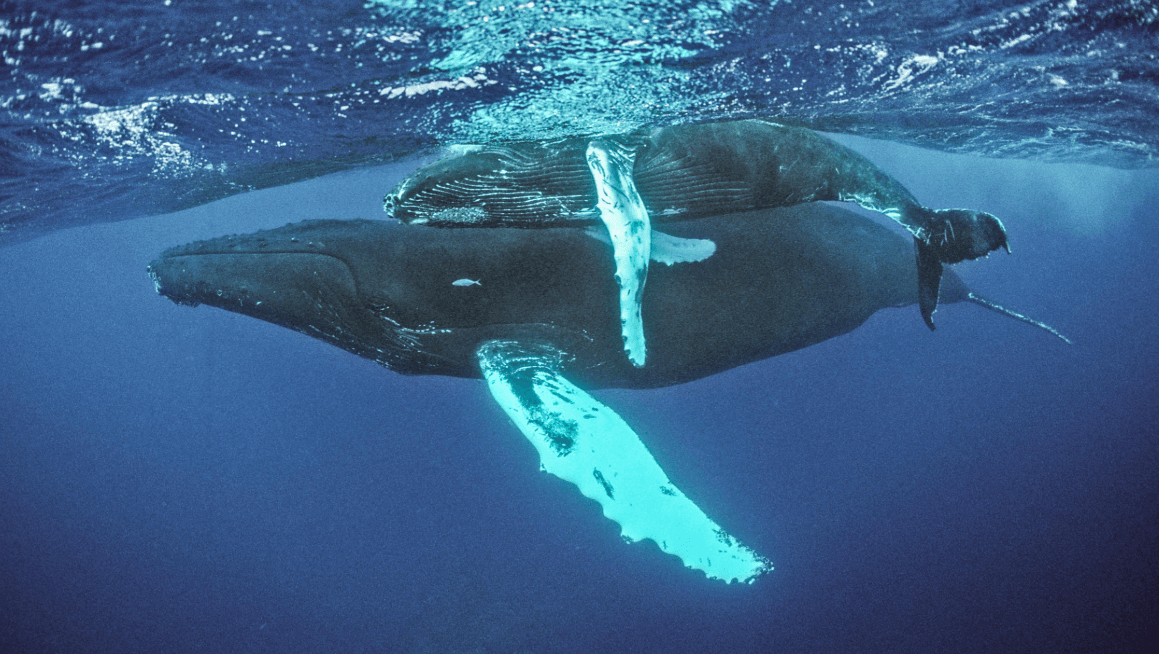
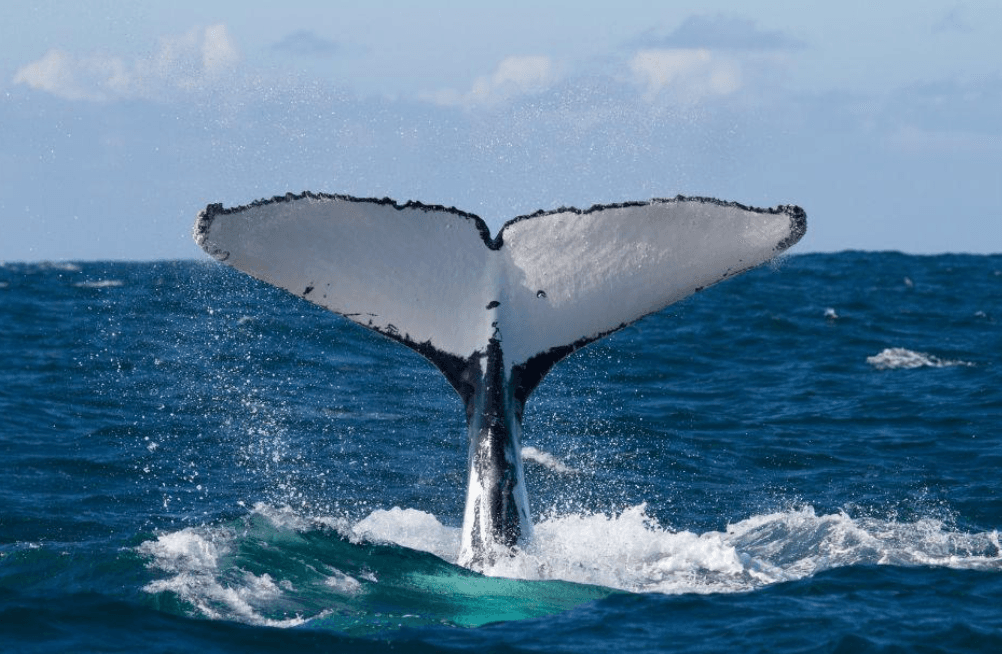
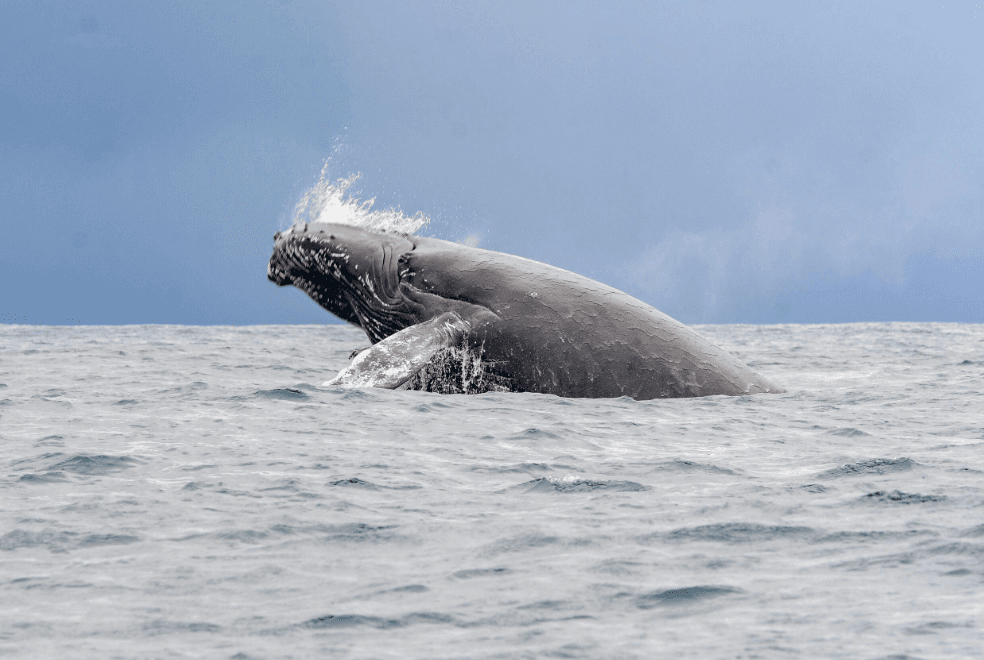
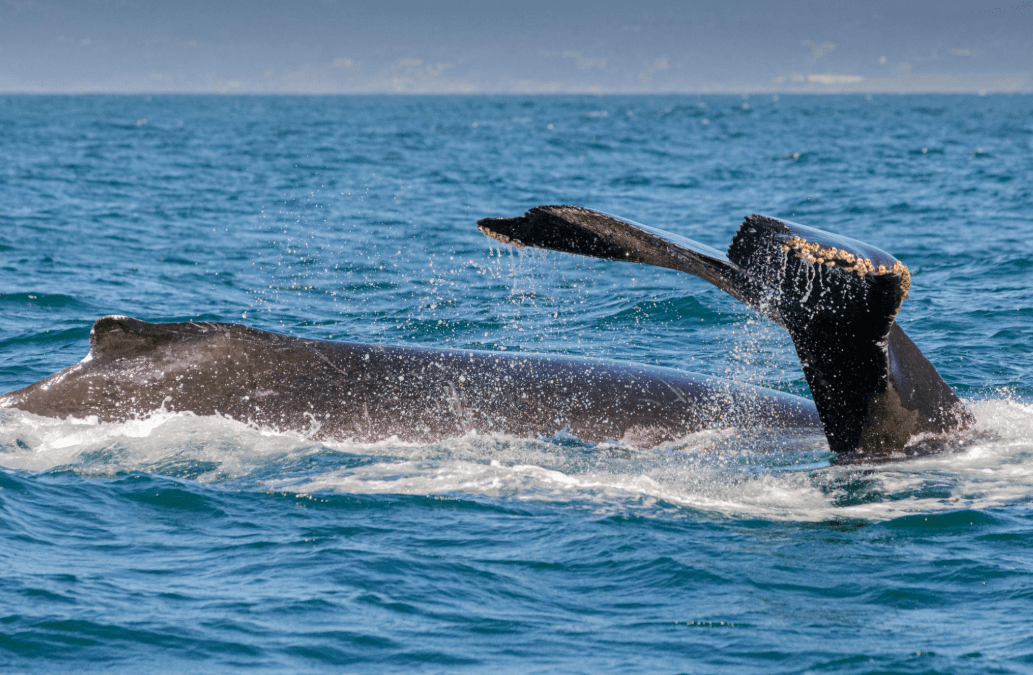
Samaná Bay in the Dominican Republic is known for seasonal visits by humpback whales. During the breeding season, observers may see whales traveling through the water, surfacing to breathe, interacting with other whales, or remaining relatively still near the surface.
But how do scientists determine whether a whale is resting or actively swimming?
The answer is not always obvious. A whale that appears motionless at the surface may still be moving underwater, while a whale traveling slowly may be resting between periods of activity. Researchers therefore examine several behavioral clues and, when possible, combine visual observations with tracking or underwater data.
Understanding these differences helps scientists study humpback whale behavior without assuming that every slow-moving whale is resting.
Why Is It Important to Identify Resting Behavior?
Resting is an important aspect of animal behavior because it allows researchers to investigate how marine mammals balance activity with recovery.
Humpback whales use breeding grounds such as Samaná Bay for activities that include social interactions, mating-related behavior, and caring for calves. Researchers can study how whales divide their time among different activities, although the behavior of individual animals varies.
Distinguishing rest from active movement can help researchers investigate:
- How whales behave during quieter periods.
- Whether movement patterns change when other whales approach.
- How mothers and calves behave in different circumstances.
- How often whales transition between slow movement and more active behavior.
- Whether environmental conditions are associated with observable behavioral changes.
These questions require careful observations rather than conclusions based on a single sighting.
1. Observing the Whale’s Overall Movement
One of the first clues scientists examine is how much the whale moves over time.
A whale that remains in approximately the same location during repeated observations may be resting or engaging in another low-movement behavior. In contrast, a whale that consistently changes position may be actively traveling.
However, location alone is not enough to establish whether a whale is resting. Currents can move an animal relative to the seabed, and a whale can remain in one general area while moving its body or interacting with another animal.
Researchers therefore record movement across a suitable observation period and consider other behavioral evidence.
2. Looking at Body Position and Posture
A whale’s body posture can provide clues about its activity.
Researchers may note whether the whale is swimming with a relatively steady body orientation, making repeated turns, rolling, or remaining in a consistent posture near the surface.
A calm, relatively stable posture may be consistent with reduced activity, but it does not prove that the whale is asleep or resting. Humpback whales can adopt different postures for several reasons, including breathing, social interactions, and changes in swimming direction.
Scientists interpret posture alongside other observations instead of treating one position as a definitive sign of rest.
3. Monitoring Breathing Patterns
Humpback whales are mammals that must surface to breathe. Their breathing behavior can therefore help researchers understand the timing of their activity.
Observers may record when a whale surfaces, how often it breathes during an observation period, and how long it remains underwater between appearances.
These measurements can reveal changes in activity, but breathing frequency alone cannot determine whether a whale is resting. Dive duration and surfacing patterns can vary with behavior, exertion, individual differences, and surrounding conditions.
Researchers need additional evidence before classifying a period as resting.
4. Distinguishing Slow Swimming From Resting
Slow swimming and resting can look similar from a boat. A whale may travel gradually through the bay while appearing relaxed, or it may remain nearly stationary while making small movements.
To distinguish these possibilities, scientists compare the whale’s location over time with its visible body movements and behavior.
If the whale continues to make steady progress through the water, researchers may classify the observed period as slow or low-speed swimming. If movement is minimal and other evidence supports inactivity, a resting interpretation may be more plausible.
Even then, the classification should reflect the strength of the evidence. Researchers may use a category such as “low activity” or “uncertain behavior” when they cannot confidently distinguish between rest and slow swimming.
5. Observing Changes in Behavior Over Time
A sequence of observations is usually more informative than one isolated moment.
For example, a whale may move actively for several minutes, reduce its movement, and later resume traveling. Recording these transitions can help researchers identify distinct behavioral periods.
Scientists may use standardized observation categories to record behaviors consistently across different observers or study sessions.
Such records can help answer questions about how behavior changes during an encounter. They cannot automatically establish what the whale was doing during every moment it remained underwater, especially when the observation interval contains gaps.
6. Using Underwater Cameras and Tracking Devices
Visual observations from the surface have limitations. When suitable research equipment is available, underwater cameras and animal-tracking devices can provide additional information about a whale’s movements.
Depending on the study, these tools may help researchers examine swimming activity, body orientation, depth changes, and periods of relatively low movement.
However, a tracking device that records location does not necessarily measure sleep or rest directly. Similarly, an underwater camera may capture only a portion of an animal’s behavior.
Researchers select tools according to the question being investigated and follow appropriate animal-welfare protocols. It should not be assumed that every humpback whale visiting Samaná Bay is fitted with research equipment.
7. Understanding the Difference Between Resting and Sleeping
Resting and sleeping are related but distinct concepts.
Resting generally describes a period of reduced activity. Sleep refers to a biological state that cannot always be identified from outward appearance alone.
A whale that is motionless or moving slowly may be resting, but surface observations do not necessarily establish that it is asleep. Researchers need suitable evidence and carefully defined criteria to investigate sleep-related behavior.
This distinction is important when interpreting whale-watching observations. A calm whale may look as though it is sleeping, but that appearance alone is not enough to confirm its physiological state.
8. Considering the Presence of Other Whales
The behavior of nearby whales can influence how researchers interpret an observation.
A whale that changes its movement when another whale approaches may be responding to a social interaction rather than transitioning naturally from rest to activity. Mothers and calves may also display movement patterns that differ from those of other individuals.
Researchers can record the number of nearby whales, their relative positions, and visible interactions. These details provide context for interpreting the focal whale’s behavior.
Nevertheless, proximity alone does not reveal why a whale changes its activity. Scientists avoid assigning a specific motivation unless the available evidence supports it.
9. Accounting for Environmental Conditions
Sea conditions can affect both whale behavior and the quality of scientific observations.
Waves, wind, glare, and limited visibility may make small movements difficult to detect. Ocean currents may also complicate the interpretation of a whale’s position.
Researchers record relevant environmental conditions when possible and consider how observation quality might influence their conclusions.
For example, a whale that appears motionless in choppy water may be difficult to observe accurately. Scientists should not classify its behavior with high confidence if the available evidence is incomplete.
10. How Responsible Whale Watching Supports Understanding
Visitors to Samaná Bay may see whales traveling, surfacing, diving, or remaining relatively still. These observations can introduce people to the variety of behaviors researchers investigate.
However, tourists generally lack the continuous records and specialized instruments needed to make reliable scientific classifications. A guide may describe a whale as resting based on its appearance, but that description should not automatically be treated as a confirmed research finding.
Responsible whale watching allows visitors to observe animals without unnecessarily disturbing them. Following guide instructions and applicable wildlife-viewing regulations also helps maintain safe conditions for people and whales.
Frequently Asked Questions
Can scientists tell if a humpback whale is resting just by looking at it?
Not with certainty in every case. Scientists consider movement, posture, breathing patterns, and repeated observations. They may classify a whale as resting or showing low activity when the evidence supports that interpretation.
Do humpback whales stop moving when they rest?
Not necessarily. Reduced activity does not always mean complete immobility. A whale may make small movements or drift while remaining in one general area.
Is a slow-moving whale always resting?
No. Slow swimming may reflect ordinary travel, social behavior, or other activities. Researchers need additional evidence to distinguish slow swimming from rest.
Can researchers confirm that a whale is sleeping?
That depends on the available evidence and the scientific methods used. A whale that appears calm or motionless at the surface cannot automatically be classified as asleep.
Can ocean currents make a resting whale appear to move?
Yes. Currents can change a whale’s position relative to the seabed, so apparent movement does not always reflect active swimming. Researchers consider environmental conditions when interpreting location data.
Do scientists study resting behavior in Samaná Bay specifically?
Samaná Bay is an important location for observing seasonal humpback whale behavior. However, any claim about a particular resting pattern in the bay should be supported by a relevant study rather than assumed from general knowledge about humpback whales.
Conclusion
Scientists distinguish resting from active swimming in humpback whales by combining movement observations, body posture, breathing records, repeated sightings, and, when available, specialized tracking or underwater data.
No single clue is always conclusive. A whale that appears motionless may still be moving, while a slowly traveling whale may simply be swimming at a low speed. Researchers therefore evaluate several sources of evidence and acknowledge uncertainty when behavior cannot be confidently classified.
For visitors to Samaná Bay, understanding these distinctions makes whale watching more informative. Every sighting offers a glimpse of whale behavior, but careful observation is essential to separate what can be seen from what scientists can reasonably conclude.

Local explorer & expert guide in Glamping Los Haitises.